



1. Signmaking Apprenticeships
2. An Employers Guide to Apprenticeships
3. Apprenticeship Costs
4. Apprenticeship Training Requirements
5. Apprenticeship Application Form (PDF 134Kb)
6. Training Courses


  1. SIGNMAKING APPRENTICESHIPS


Anyone who wants to get into the Professional Signmaking business will need to know exactly what it is all about, what period of training is required and what the prospects are.

This page helps you take the first step

WHAT ARE Signmakers?

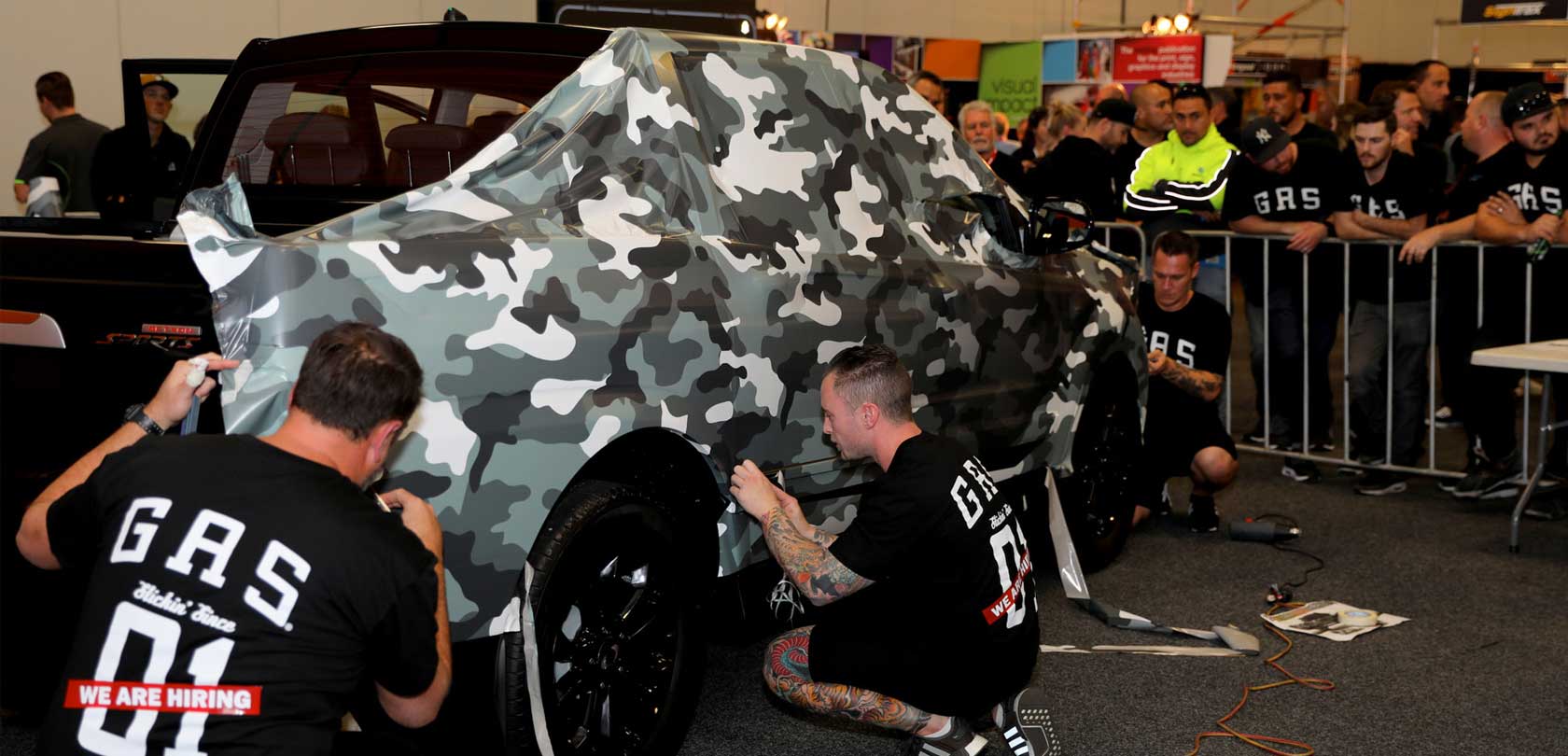
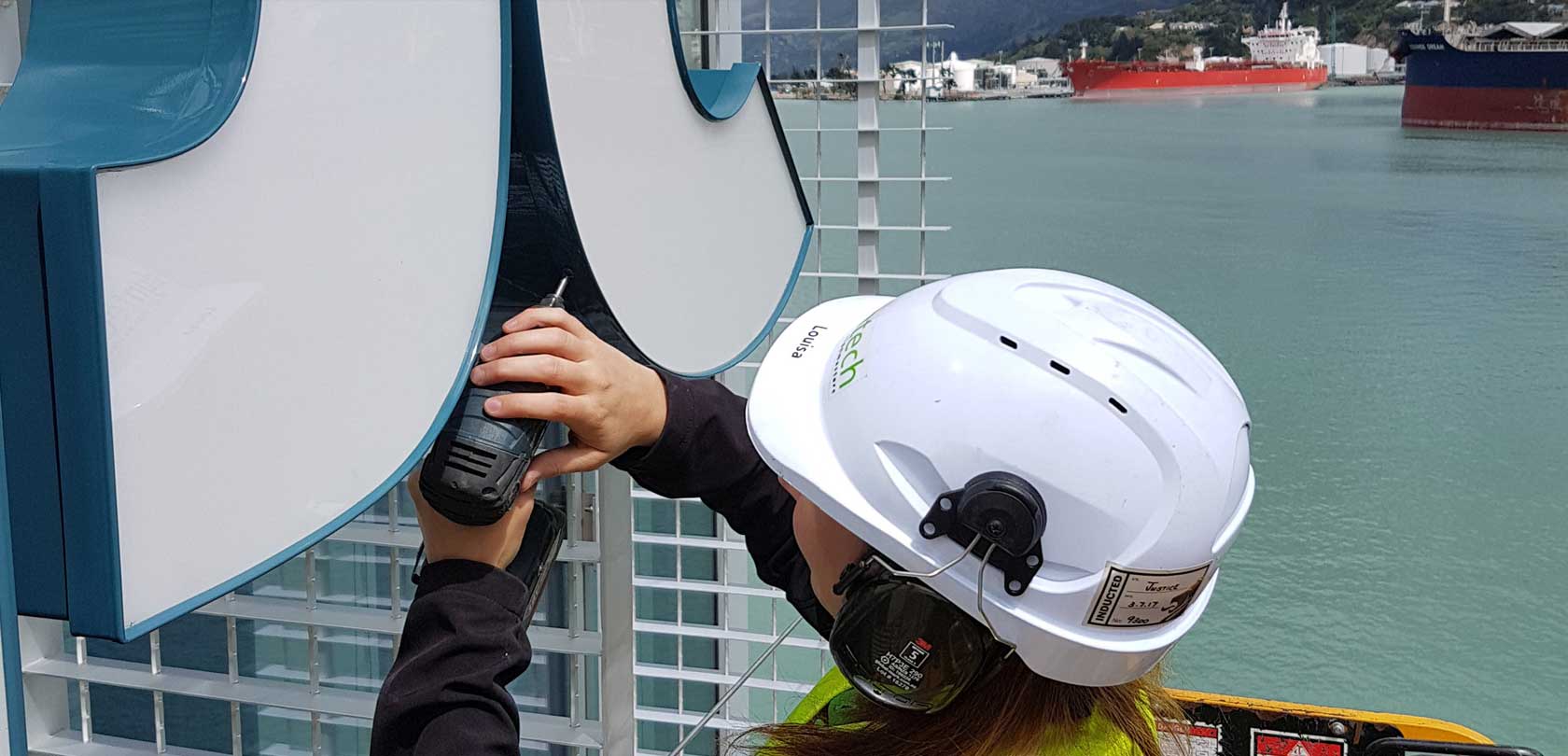
They are people who design, construct, paint, signwrite, apply graphics and erect a wide range of signage on to many objects and areas.

How do I train?

Most training is practical, on the job experience under the guidance of qualified practitioners. The apprenticeship is 10,000 hours or 5 years. Skill credits may be obtained through the modular training system. These credits also affect the duration of the apprenticeship.

What skills will I learn?

  • Air Brush and Spray Painting.
  • Colour Theory.
  • Communication - Visual and Verbal.
  • Computer Skills, Scanning and Digitizing.
  • Fonts, Letter Shaping and Brush Skills.
  • Graphic Design and Sign Layout.
  • Painting and Knowledge of Paints.
  • Safety.
  • Sign Construction and Tool Skills.
  • Sign Erection.
  • Screen Printing.
  • Knowledge and Application of Vinyls.

Who is best suited for the job?

Signmakers are people who....... have a natural artistic and creative ability to use innovative ideas and talents to express themselves, are fit, have good eyesight and are not colour blind, have a good working knowledge of English, Math and basic computer skills, have a sense of responsibility and an awareness of taking care of people’s property, and are able to get on with people as dealing with all types of client requires courtesy, tact, patience and a pleasant personality.

What are my prospects?

Once an apprenticeship is completed, opportunities include becoming a supervisor, a foreperson or a manager for a large firm. Many qualified craftspeople open their own businesses and some choose to specialise in one particular area of the industry.

AS AN EMPLOYER HOW DOES AN APPRENTICESHIP WORK FOR YOU?

What are the benefits for you?

  • Trained Staff with a knowledge of your firm’s requirements will be gained.
  • Influence in what and how you train an apprentice will be your prerogative.
  • Stability of staff whilst within the period of apprenticeship. Assistance with any problems in dealing with apprenticeship matters through the Signmaking Industry Training Organisation.
  • Qualifications are recognised both in New Zealand and overseas.
  • Off-Job Technical Training scheduled to supplement on-the-job training.
  • An opportunity to offer leadership development to your apprentice along with teaching on-the-job industry skills.
  • Skill Base is established upon which other specialised skills can be built.
  • Self Esteem and a Positive Effect on Production gained as employees face challenges and thus improved job satisfaction.
  • Efficiency and Effectiveness in your business can be gained by having better skilled workers.
  • A Skilled Workforce is essential to the future of the Signmaking Industry to ensure that the traditional and latest skills are maintained.

What’s NEW about Apprenticeships?

In July 1992 the Industry Training Act replaced the long-standing Apprenticeship Act. Instead of an "Apprenticeship Contract" apprentices now have an employment agreement under the Employment Relations Act 2000 and an Apprenticeship Training Agreement. When you take on a new signmaking apprentice you will negotiate an employment contract as you would with any other prospective employee, but with one important difference - the contract must include an Apprenticeship Training Agreement.

Signing the Apprenticeship Training Agreement means you and your apprentice agree to enter into an apprenticeship in line with the Signmaking Industry’s requirements.

Our industry’s requirements are contained in the Signmaking Industry Apprenticeship Training Requirements, copies of which are readily available from the Signmaking Industry Training Organisation and which an apprentice should have on hand in the workplace.

OPTIONS FOR APPRENTICESHIPS

These options assist employers who, by themselves, may be unable to totally support an apprentice or take on more apprentices. These alternatives to the "one to one" agreement allow apprentices to be shared and trained among other local employers and employer groups.

Options Available

Secondment: An apprentice may be seconded to other firms for further training and experience.

Group Apprentices: Any number of employers in the same general locality and industry may co-operate in training a group of apprentices.

Joint Contracts: You may train one or more apprentices jointly with another employer.

NOTE: Approval for Group Apprentices and Joint Contracts is needed from the CTITO.
The Creative Trades Industry Training Organisation, Signmaking Advisory Board specialises in the apprenticeship system and is readily available to help you make the best of training young people in our industry. They can assist with any paperwork for you or your apprentice and can discuss with you the various training options available.

Regional Apprenticeship Advisers
These people are members of the Signmaking Industry who are experienced in the training of apprentices. They are available to help both the ITO and employers to ensure that the standard of training being offered to apprentices remains high and up-to-date with modern practices.

For further information contact:

CTITO
CREATIVE TRADES INDUSTRY TRAINING ORGANISATION
P O Box 14-477
Kilbirnie
WELLINGTON 6241
Telephone (04) 387 9759
Facsimile (04) 387 2596
Freephone: 0800 200 486
e-mail: signwritingito@xtra.co.nz

TOP


Copyright 2004 - 2007 © NZSDA. All Rights Reserved.